Source merino wool sexy crop top and dress set for events, parties, and travel
Compare 30 listings for merino wool sexy crop top and dress set options featuring various materials like cotton, polyester, and wool blends. Buyers can review specifications including sleeve styles, fabric weights, and customization availability from verified suppliers.
Key considerations
Products List


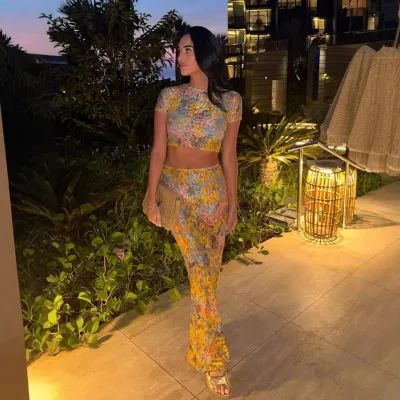
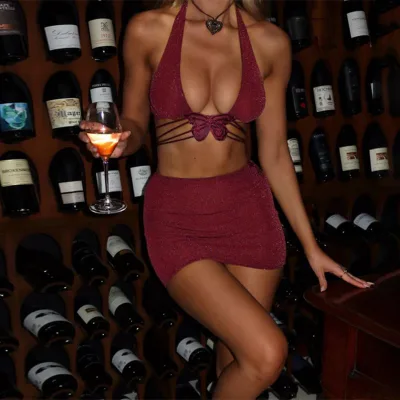
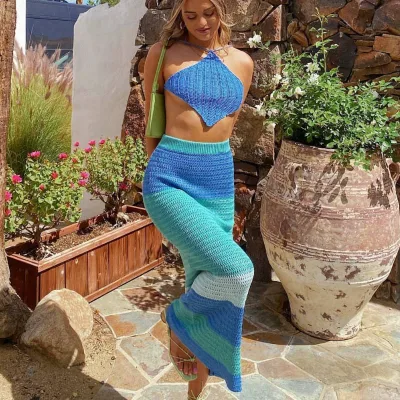
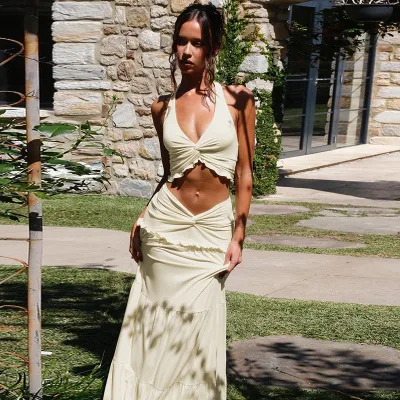


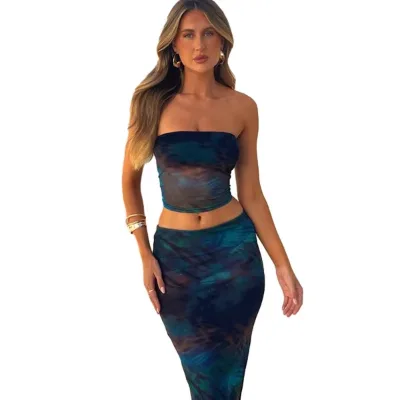
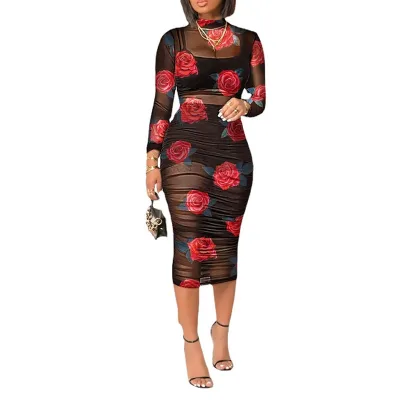


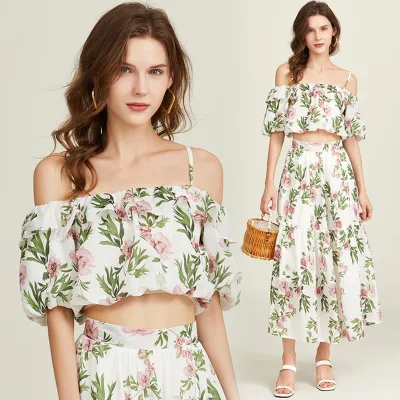
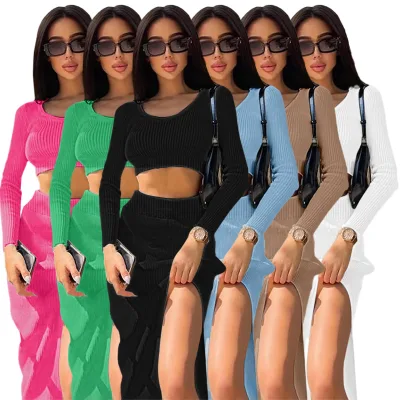


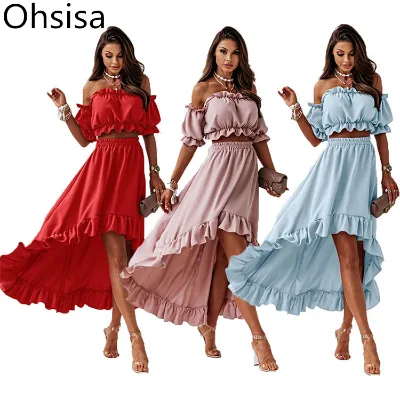
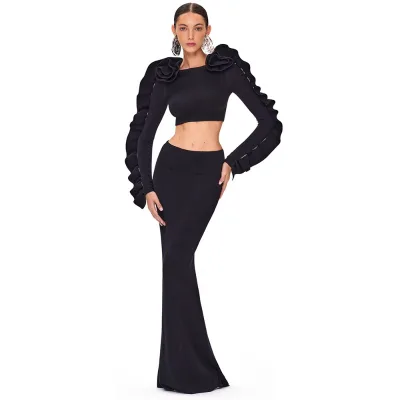
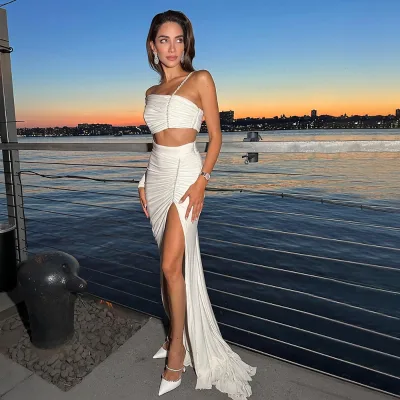

Comprehensive Sourcing Guide
Strategic Sourcing Guide for Merino Wool Sexy Crop Top and Dress Set Procurement
Understanding Product Composition and Material Variability
When sourcing a "merino wool sexy crop top and dress set," buyers must first navigate the complex reality of material definitions versus actual supply chain offerings. While the core keyword explicitly references merino wool, the observed product data reveals a diverse landscape of material compositions that suppliers often group under similar aesthetic or functional categories. The provided facts indicate that a significant portion of available inventory utilizes blends such as Spandex and Cotton, Polyester and Spandex, or even nonwoven fabrics. Furthermore, specific listings highlight mercerized cotton and wool/acrylic blends. This discrepancy suggests that "merino wool" in a search context may sometimes function as a style descriptor for a specific silhouette or texture rather than a strict material guarantee.
Buyers must verify the exact fiber content before placing orders. The data shows that while some items feature "Wool / Acrylic" blends, others are constructed from "Spandex / Cotton" or "polyester/Spandex." The presence of "nonwoven" weaving methods in the dataset further complicates the material profile, as nonwoven fabrics typically differ significantly from the knitted or woven structures associated with traditional wool garments. A "sexy crop top and dress set" implies a form-fitting design, which often necessitates high elastane or spandex content for stretch and recovery, regardless of whether the primary fiber is wool, cotton, or synthetic. Procurement teams should treat the term "merino wool" as a target specification that requires rigorous confirmation against the supplier's mill certificate, rather than an automatic attribute of the listed product.
Technical Specifications and Design Attributes
The technical profile of the target product category is defined by a specific set of design and construction attributes observed in the market. The "sexy" and "crop" descriptors in the keyword align with several observed specifications, including "Regular" fit types, "Short" sleeve lengths, and "Sleeveless" or "Halter" necklines. The data indicates a prevalence of "O-Neck" and "Crew Neck" styles, alongside "Halter" necklines which are common in club or summer wear. The "Top Type" is consistently listed as "Top," while the "Type" attribute frequently describes a "2 piece long set," suggesting that the "dress set" component may often be a coordinated two-piece ensemble rather than a single garment.
Length specifications vary significantly within the dataset. While the keyword implies a "crop" top, the data includes items with "Full Length" and "Floor-Length" dress components. This indicates that the "set" often pairs a short top with a long skirt or dress. The "Pattern Type" is predominantly "Solid," though "Patterned" and "Printed" options exist, with specific techniques like "Discharge Printing" and "YARN DYED" noted. Fabric weight is a critical metric for comfort and drape; the observed "Fabric Weight" is listed at 120 Grams, which is relatively light and suitable for the "Summer" season, despite the "Winter" season tag also appearing in the data. This suggests a need for buyers to specify seasonal weight requirements clearly to avoid receiving lightweight summer knits for winter applications.
Compliance, Certification, and Safety Standards
Navigating compliance for textile products, especially those involving wool or blends, requires a disciplined approach to verification. The supplied facts mention "Needle detection: Yes" as a standard attribute for many items. This is a critical safety feature for B2B buyers, as it ensures that no metal fragments from manufacturing machinery remain in the finished garment, a common requirement for major retailers and export markets. Additionally, the "7 days sample order lead time: Support" indicates that suppliers are generally capable of providing quick turnaround for quality verification, which is essential for testing compliance before bulk production.
Regarding certifications, the data explicitly lists "OEKO-TEX" in the low-confidence background section. Buyers should not assume this certification is present unless verified. Instead, procurement teams must request current test reports for harmful substances, specifically checking for formaldehyde, azo dyes, and heavy metals, which are standard concerns for wool and synthetic blends. The "Feature" attributes listed include "Anti-Pilling," "Breathable," "Quick Dry," and "Eco-Friendly." While these are positive attributes, they are marketing claims that must be substantiated by third-party testing data. The "Eco-Friendly" claim, in particular, requires clarification on whether it refers to the dyeing process, the fiber origin, or the packaging. Buyers should verify if the "merino wool" claim is backed by traceability documents or if the product is simply a wool-blend with synthetic components.
Cost Drivers and Pricing Dynamics
The pricing structure for this product category is influenced by material composition, production complexity, and order volume. The observed price range in the dataset spans from $5.01 to $37.00 USD. This wide variance suggests that cost is heavily driven by the fiber content and the level of customization. A basic "Spandex / Cotton" blend with "Printed" techniques likely falls at the lower end of the spectrum, while a genuine "Wool / Acrylic" or "Mercerized Cotton" item with "YARN DYED" techniques and complex patterns would command a higher price point.
The "MOQ range" of 1 to 200 units offers flexibility for buyers testing the market, but the unit price will inevitably decrease as order quantities increase. The "Single package size" of 30x20x3 cm and "Single gross weight" of 0.650 kg are critical for calculating logistics costs. Buyers must factor in that the "2 piece long set" configuration doubles the packaging volume compared to a single item, potentially increasing freight costs per unit. The "Selling Units" are listed as "Single item," which implies that the "set" is sold as a single SKU, simplifying inventory management but requiring careful sizing coordination. The "Customization: Available" attribute suggests that adding logos or specific colorways will incur additional costs, which should be negotiated upfront.
Supplier Evaluation and Operational Capabilities
Evaluating suppliers for this specific product category requires a focus on their ability to handle mixed-material production and diverse design requests. The "Place of Origin" is consistently listed as "China," which is a major hub for textile manufacturing but requires careful vetting for quality consistency. The "Supply Type" is noted as "In-Stock Items," which is advantageous for immediate shipment but may limit customization options. Buyers seeking a true "merino wool" product must distinguish between suppliers who hold ready-made inventory and those who can source specific raw materials for custom orders.
The "7 days sample order lead time" is a strong indicator of supplier agility. A supplier that can deliver samples within a week demonstrates an efficient internal workflow and the ability to respond quickly to market trends. However, buyers should also inquire about the lead time for bulk production, as this is rarely the same as the sample lead time. The "Technics" listed, such as "Printed" and "YARN DYED," require different production setups. A supplier proficient in "YARN DYED" techniques may have higher quality control standards for color consistency but might have longer lead times. The "Weaving method" of "Knitted" is standard for stretch garments, but the presence of "nonwoven" in the data suggests some suppliers may offer alternative, lower-cost constructions that do not meet the durability expectations of traditional wool garments.
Quality Control and Long-Term Procurement Strategy
Implementing a robust quality control (QC) strategy is essential for maintaining brand integrity when sourcing "sexy crop top and dress sets." The "Needle detection" feature observed in the data is a baseline requirement, but buyers should expand their QC checklist to include dimensional accuracy, colorfastness, and fabric shrinkage. The "Fit Type" is listed as "Regular," but the "Style" attributes range from "Casual" to "Sexy & Club," indicating that fit can vary significantly based on the intended use. Buyers must ensure that the "Regular" fit translates to the specific body type targeted by their brand, as "Regular" can be interpreted differently across regions.
Long-term procurement considerations involve building a relationship with suppliers who can scale with demand while maintaining quality. The "Customization: Available" feature is a key differentiator; suppliers who can accommodate logo placement (noted as "back" in the data) and specific colorways are more valuable for brand building. The "Feature" attributes like "Anti-Pilling" and "Breathable" are critical for customer satisfaction and return rates. Buyers should establish clear acceptance criteria for these features in their contracts. Furthermore, the "Season" attribute shows a mix of "Summer" and "Winter," suggesting that buyers should plan their procurement calendar to align with the specific material weight and insulation properties required for their target market.
Comparative Analysis of Product Attributes
To facilitate decision-making, the following table summarizes the key variations observed in the product data that buyers must consider when selecting a supplier or product variant.
| Attribute Category | Observed Variations | Procurement Implication |
|---|---|---|
| Material Composition | Spandex/Cotton, Polyester/Spandex, Wool/Acrylic, Mercerized Cotton, Nonwoven | Verify fiber content; "Merino" may be a style term, not a material guarantee. |
| Design & Fit | O-Neck, Crew Neck, Halter; Short Sleeve, Sleeveless; Regular Fit | Ensure neckline and sleeve style match the "sexy" and "crop" aesthetic requirements. |
| Length & Style | Full Length, Floor-Length, Crop (implied); 2 Piece Long Set | Clarify if the "dress set" is a skirt/top combo or a full dress with a top layer. |
| Production Tech | Printed, Discharge Printing, YARN DYED | Yarn dyed offers better color fastness; Discharge printing is eco-friendlier but complex. |
| Safety & Features | Needle Detection (Yes), Anti-Pilling, Breathable, Quick Dry | Mandatory needle detection; verify "Eco-Friendly" claims with documentation. |
| Logistics | 30x20x3 cm, 0.650 kg, 1-200 MOQ | Calculate freight costs based on set weight; leverage low MOQ for market testing. |
Final Procurement Recommendations
Sourcing a "merino wool sexy crop top and dress set" requires a balance between aesthetic desires and technical reality. The market data reveals a wide array of materials and styles that may not strictly adhere to the "merino wool" label. Buyers must prioritize verification of fiber content, ensuring that the product meets the thermal and tactile expectations associated with wool. The presence of "Needle detection" and "7 days sample lead time" provides a solid foundation for quality assurance and rapid iteration. However, the variability in "Season" tags and "Fabric Weight" necessitates clear communication with suppliers regarding the intended use case. By focusing on technical specifications, verifying compliance claims, and leveraging the flexibility of low MOQs, buyers can build a reliable supply chain that delivers high-quality, fashionable sets while mitigating the risks of material misrepresentation. The key to success lies in treating product attributes as observations to be validated rather than guaranteed claims, ensuring that the final product aligns with both brand standards and customer expectations.
FAQs
What materials are used for merino wool sexy crop top and dress sets?
Materials vary significantly and often include Spandex/Cotton, Polyester/Spandex, or Wool/Acrylic blends rather than pure merino wool. Buyers must verify the exact fiber content against supplier certificates since the term merino wool may describe a style rather than a strict material guarantee in the current market inventory.
Can suppliers provide samples within a week for this product?
Yes, suppliers support a 7-day sample order lead time for quick verification. This capability allows buyers to test quality and compliance before committing to bulk orders, ensuring the product meets specific seasonal and material requirements for the target market.
Which safety standards apply to needle detection in these garments?
Needle detection is a standard feature listed for many items in this category to ensure no metal fragments remain. This safety measure is critical for B2B buyers exporting to major retail markets where strict metal detection protocols are mandatory for finished textile products.
How does the price range vary for merino wool sexy crop top and dress sets?
The observed price range spans from 5.01 to 37 USD depending on material composition and production complexity. Basic blends like Spandex/Cotton fall at the lower end, while items with Wool/Acrylic or specialized dyeing techniques command higher prices within the observed market spectrum.
What customization options are available for logos and colors?
Customization is available for specific colorways and logo placement, often positioned on the back of the garment. Buyers should negotiate these additional costs upfront as they impact the final unit price and may require longer lead times compared to standard in-stock inventory items.
Which certifications should buyers verify for eco-friendly claims?
Buyers should request third-party test reports for harmful substances rather than assuming OEKO-TEX certification is present. Claims like Eco-Friendly require documentation regarding dyeing processes or fiber origin to ensure compliance with international safety standards for textile imports.